If you live anywhere in central Alberta — from Edmonton and Stony Plain to Spruce Grove and Parkland County — hail damage isn't a question of *if*, it's a question of *when*. Alberta sits in the middle of Canada's most active hail corridor, and Environment Canada ranks our province as the highest-risk region for severe hailstorms in the country.
After 22 years and 1,500+ roofs across Parkland County, Kayan Contracting has repaired hundreds of hail-damaged roofs. We've walked homeowners through every step of the process — from the first inspection to the final insurance cheque. This guide gives you everything you need to protect your home, your wallet, and your peace of mind when hail strikes.
Whether your roof was hit last week or you're preparing for the June-to-August storm season, this article covers exactly what to look for, what to do, and who to trust.
How Hail Damages Your Roof (And Why You Can't Always See It)
Hail damage isn't always obvious. While golf-ball-sized hail might leave visible dents, the most expensive damage often comes from smaller stones — 1 to 2 cm in diameter — that degrade your roof over time without any dramatic signs.
What hail actually does to asphalt shingles:
- Granule displacement — Hailstones knock protective granules off the shingle surface. These granules are your roof's UV shield. Without them, shingles age 5-10 years faster.
- Bruising — The shingle mat gets compressed on impact, creating soft spots that eventually crack and leak. Bruising is invisible from the ground.
- Cracking and fracturing — Larger hailstones can split shingles outright, creating immediate entry points for water.
- Seal strip damage — The adhesive strips that bond shingles together can break on impact, making your roof vulnerable to wind uplift during the next storm.
What hail does to metal roofing and flashing:
- Cosmetic denting on exposed metal panels
- Damage to vent caps, chimney flashing, and pipe boots
- Compromised seals around skylights and roof penetrations
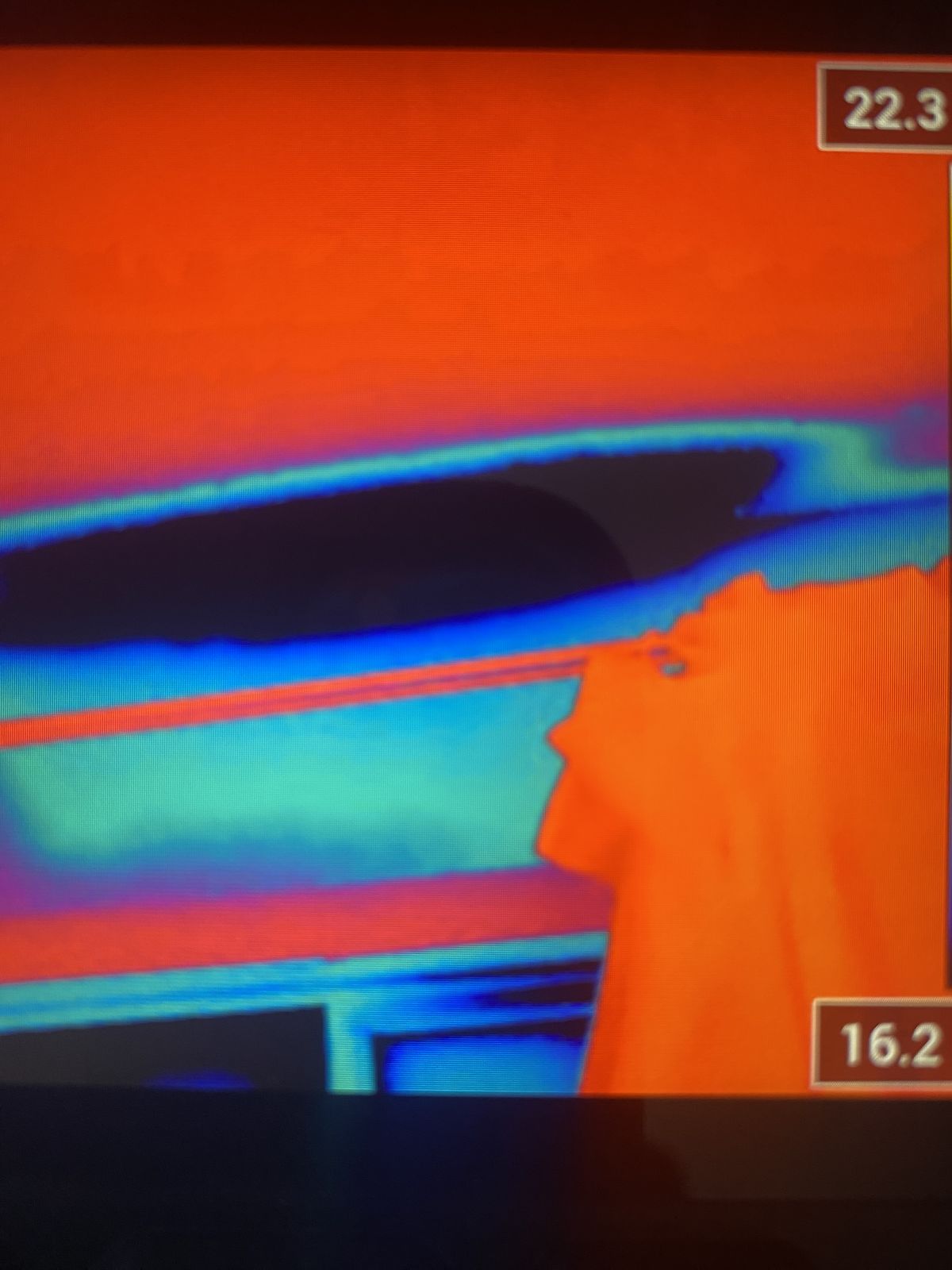
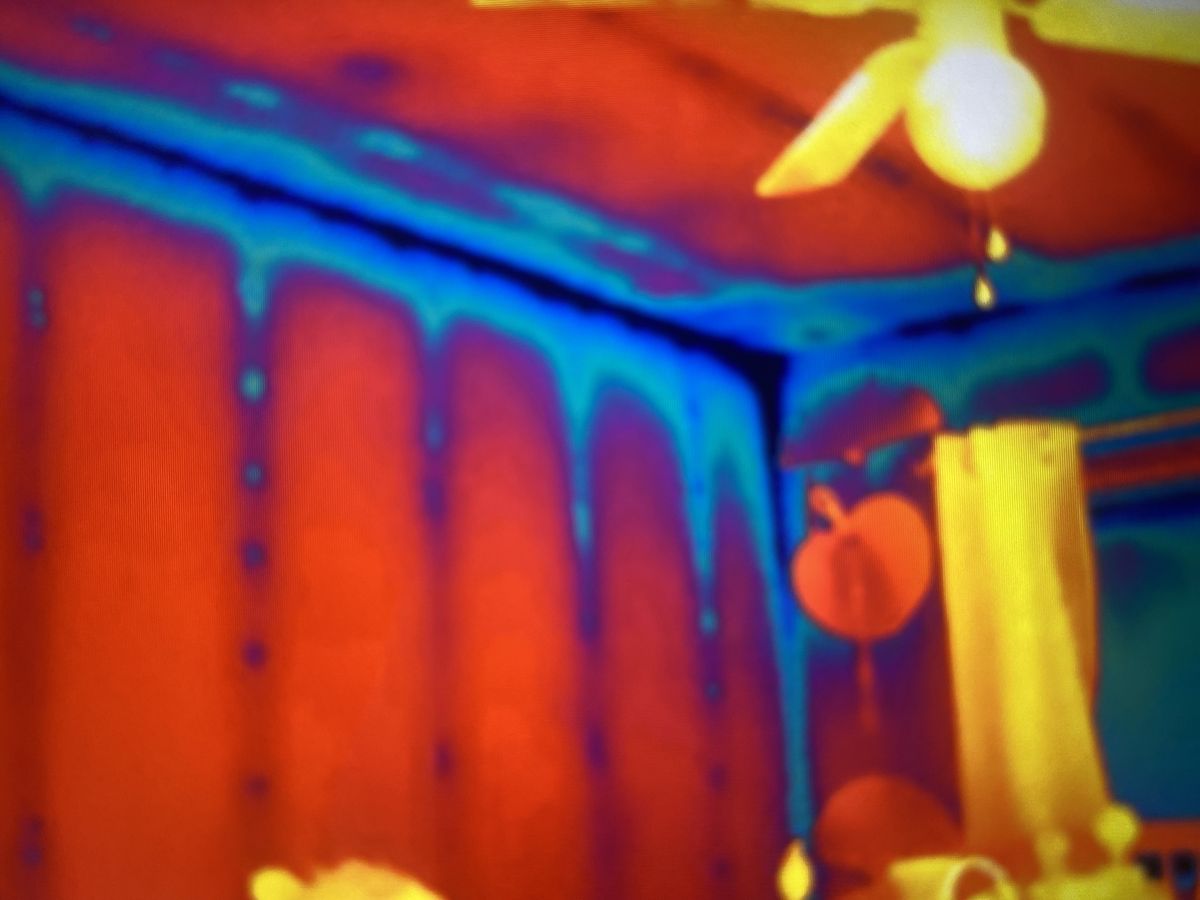
The hidden danger: A roof can sustain significant hail damage and look perfectly fine from your driveway. That's why a professional inspection — ideally with thermal imaging — is the only reliable way to assess damage after a storm. At Kayan Contracting, we use FLIR Level II thermal imaging to detect moisture intrusion that the naked eye would miss entirely.
Signs of Hail Damage: What to Look For After a Storm
After any significant hailstorm, do a visual check of your property before calling a contractor. Here's what to look for — safely from the ground:
On your roof (use binoculars, never climb up yourself):
- Dark spots or patches where granules have been knocked off
- Shingles that look "shiny" or "bald" in random patterns
- Cracked, split, or missing shingles
- Dented or damaged metal vents, flashing, and ridge caps
Around your property (ground-level evidence):
- Dents on aluminum gutters, downspouts, and soffits
- Dings on air conditioning units, window frames, or vehicles
- Damaged fence posts, deck railings, or outdoor furniture
- Granule buildup in your gutters or at the base of downspouts
- Chipped paint or dented siding on the windward side of your home
What many homeowners miss:
- Damage to the rubber boots around plumbing vents — these small components are highly vulnerable to hail and cause leaks long after the storm
- Soft spots in the shingle mat that only show up when you press on them (a professional roofer will check this)
- Damaged starter strips along the roof edge
Important: Document everything with photos and video immediately. Time-stamped documentation strengthens your insurance claim. Even if you're unsure whether damage is hail-related, photograph it. Our [roof repair](/services/roof-repair) team can determine the cause during a proper inspection.
The Insurance Claim Process: Step-by-Step
Filing a hail damage claim in Alberta doesn't have to be stressful. Here's the process we've walked over a thousand homeowners through:
Step 1: Document the damage immediately
Take photos and video of your roof, gutters, siding, and any property damage. Note the date and time of the storm. Save any Environment Canada severe weather alerts for your area.
Step 2: Contact your insurance company within 24-48 hours
Most Alberta home insurance policies cover hail damage under your dwelling coverage. Report the claim promptly — delayed reporting can complicate your claim. Your insurer will assign a claim number and an adjuster.
Step 3: Get a professional roof inspection
Before the adjuster visits, have a reputable local roofing contractor inspect your roof and provide a detailed damage assessment. At Kayan Contracting, we provide free post-storm inspections and a written report you can share with your adjuster. Our FLIR thermal imaging catches damage that visual inspections miss.
Step 4: Meet the insurance adjuster
Your contractor should be present during the adjuster's inspection. This is critical. Adjusters are trained to minimize payouts, not to find every piece of damage. Having an experienced roofer on your side ensures nothing gets overlooked.
Step 5: Review the scope of work and estimate
The adjuster will issue a scope of work. Your contractor reviews this to confirm it covers all necessary repairs. If the scope is insufficient, your contractor can submit a supplement with documentation of additional damage.
Step 6: Approve repairs and schedule the work
Once the claim is approved, you choose your contractor (not the insurance company). You pay your deductible, and your insurer covers the rest — typically paid directly to you or jointly to you and your contractor.
Step 7: Final inspection and completion
After repairs are complete, a final inspection confirms everything meets the Alberta Building Code and manufacturer specifications.
Pro tip: Alberta's Insurance Act requires insurers to act in good faith. If you believe your claim was unfairly denied or underpaid, you have the right to request a re-inspection or escalate through Alberta's Insurance Council.
Why Timing Matters: The 12-Month Window
Here's something most Alberta homeowners don't realize: you typically have 12 months from the date of the storm to file a hail damage claim. After that window closes, your insurer can deny the claim entirely.
But timing matters for reasons beyond the deadline:
File sooner, not later:
- Damage worsens over time. What starts as bruised shingles becomes cracked shingles, then active leaks, then interior water damage.
- After a major storm, every roofer in the Edmonton region gets slammed. The earlier you file, the sooner you get on a contractor's schedule.
- Insurance adjusters are busier after storms too. Early claims get processed faster.
- Fresh damage is easier to attribute to a specific storm. Six months later, it's harder to prove.
Alberta's hail season runs from June through August, with peak activity in July. The [central Alberta hail corridor](https://www.canada.ca/en/environment-climate-change/services/weather-general-tools-resources/frequently-asked-questions.html) — which runs directly through Edmonton, Stony Plain, and Spruce Grove — sees the highest frequency of damaging hailstorms in Canada.
Our recommendation: Schedule a roof inspection after every significant hailstorm, even if you don't see obvious damage. It's free, it takes 30-45 minutes, and it could save you thousands. Our [roof replacement](/services/roof-replacement) team handles full storm-damage replacements when repair isn't enough.
Storm Chasers: How to Spot and Avoid Roofing Scams
After every major hailstorm in Alberta, out-of-province "storm chasers" flood into the area. They knock on doors, offer free inspections, and pressure homeowners into signing contracts on the spot. These companies are one of the biggest risks to your home and your wallet.
Red flags to watch for:
- They knock on your door unsolicited immediately after a storm
- Out-of-province licence plates on their vehicles
- They pressure you to sign a contract immediately — especially an "Assignment of Benefits" (AOB) that signs your insurance cheque over to them
- They offer to "cover your deductible" — this is insurance fraud in Alberta
- No local address, no BBB listing, no verifiable references in your community
- They demand large upfront deposits before any work begins
- They can't provide a valid Alberta business licence or Workers' Compensation Board (WCB) coverage
Why storm chasers are dangerous:
- They use the cheapest materials and cut corners on installation
- They won't be around in 6 months when problems appear
- Their "warranties" are worthless if the company doesn't exist next year
- They often inflate claims, which can get YOUR insurance policy flagged or cancelled
How to protect yourself:
- Only work with contractors who have a permanent local address and established history in your community
- Verify BBB accreditation — Kayan Contracting has maintained an A+ BBB rating for over two decades
- Ask for WCB clearance and proof of liability insurance
- Check that they're a manufacturer-certified installer — we're an IKO Preferred Contractor, which means IKO has verified our workmanship standards
- Never sign an Assignment of Benefits (AOB) document
- Get everything in writing with a detailed scope of work
As a Stony Plain-based company with 22 years of roots in this community, we're here before the storm, during the storm, and long after the storm chasers have left town. Read about how we serve [Stony Plain and Parkland County](/areas/stony-plain) year-round.
Why Choose a Local Contractor for Hail Damage Repair
When it comes to hail damage repair, local knowledge isn't just nice to have — it's essential.
What a local contractor like Kayan Contracting brings:
- Climate-specific expertise — We know exactly how Alberta's freeze-thaw cycles, chinook winds, and UV exposure affect different roofing materials. We spec materials and installation methods for *our* weather, not generic North American conditions.
- Insurance adjuster relationships — After 22 years in Parkland County, we've worked with every major insurer and know their processes, their adjusters, and their expectations. This means smoother claims for you.
- Accountability — We live and work in this community. Bryan Dewey, our owner, has been serving Stony Plain homeowners since day one. Our reputation is our livelihood.
- Warranty you can count on — Our 15-year workmanship warranty means something because we'll be here to honour it. Plus, as an [IKO Preferred Contractor](https://www.iko.com/na/find-a-contractor/), we can offer enhanced manufacturer warranty coverage.
- FLIR thermal imaging — Our Level II certified thermal inspections detect hidden moisture intrusion that standard visual inspections miss entirely. This technology finds damage that would otherwise rot your roof deck silently.
For a comprehensive look at our metal roofing options that resist hail better than any other material, see our [metal roofing and steel products](/services/metal-products) page. And for more on choosing the right materials for Alberta weather, check out our article on [roofing materials for Alberta homes](/blog/roofing-materials-guide-alberta).
Frequently Asked Questions About Hail Damage
Storm Damage? Get a Free Inspection Today
Kayan Contracting has been repairing hail-damaged roofs across Stony Plain, Spruce Grove, and Edmonton for 22 years. Our FLIR thermal imaging inspections catch hidden damage that other contractors miss. Call Bryan at (780) 984-0221 or request your free quote online.