Imagine being able to see through your walls and roof — to spot a leak before it causes damage, find where your heating dollars are escaping, or detect moisture that's silently rotting your home's structure.
That's exactly what FLIR thermal imaging does. And at Kayan Contracting, it's a standard part of every inspection we perform across Stony Plain, Spruce Grove, and Parkland County.
What Is Thermal Imaging?
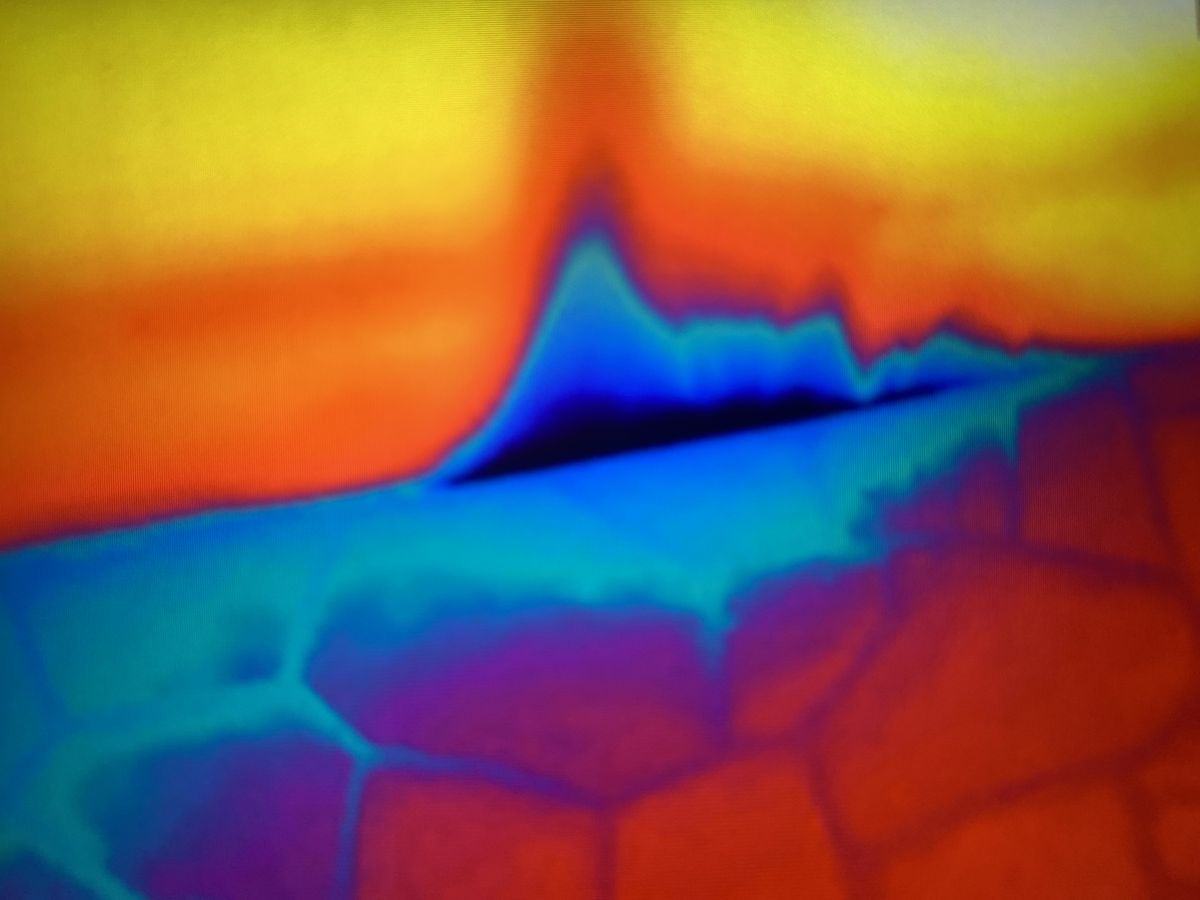
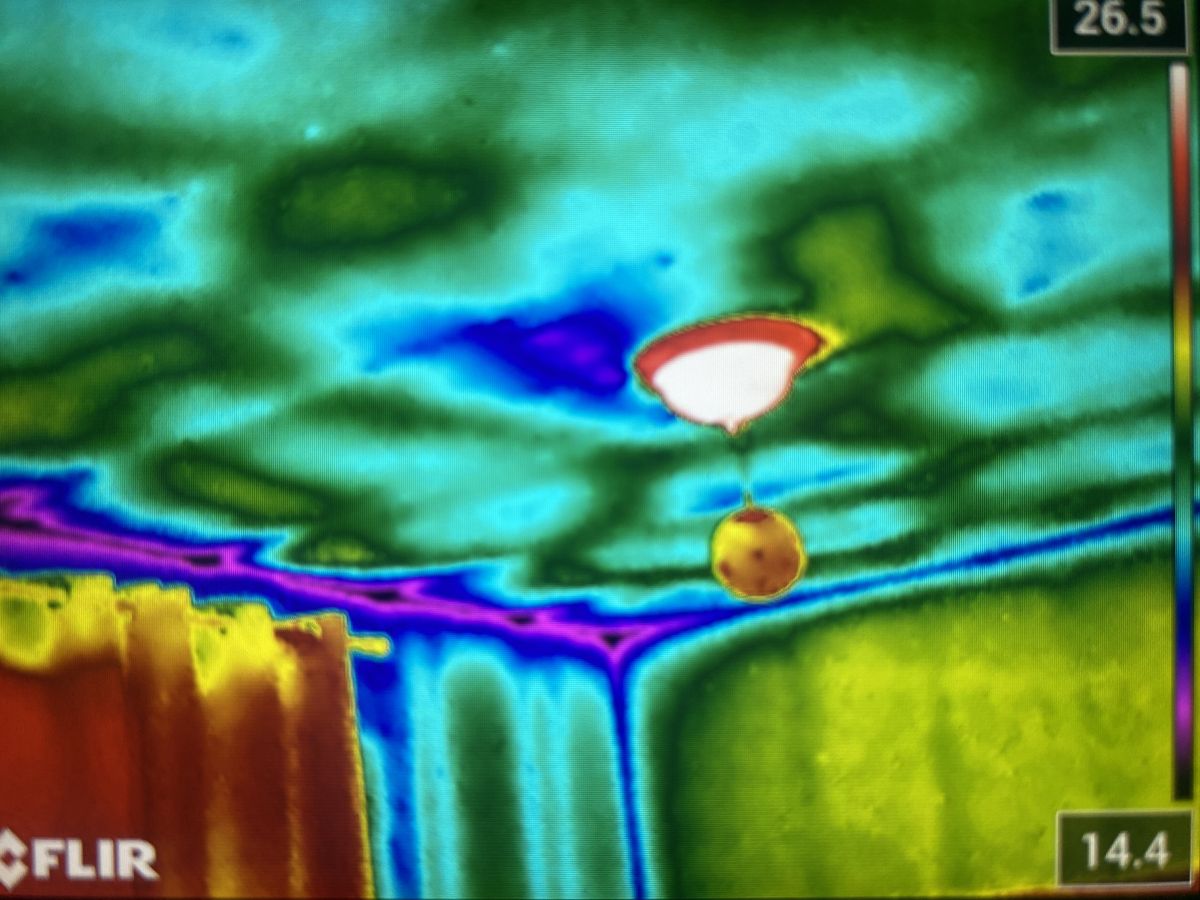
Professional FLIR cameras detect infrared radiation — essentially, they create a heat map of any surface. Different colours represent different temperatures:
- Red/Orange/Yellow = Warm areas (well-insulated, properly sealed)
- Blue/Purple = Cold areas (heat loss, moisture, air infiltration)
- Green = Moderate temperature (transition zones)
When we scan your home, these colour patterns tell us exactly where problems are hiding. A cold blue spot on an interior wall during winter? That's heat escaping through a gap in your insulation. A warm spot on your roof during a cold day? That's where moisture is trapped and preventing proper cooling.
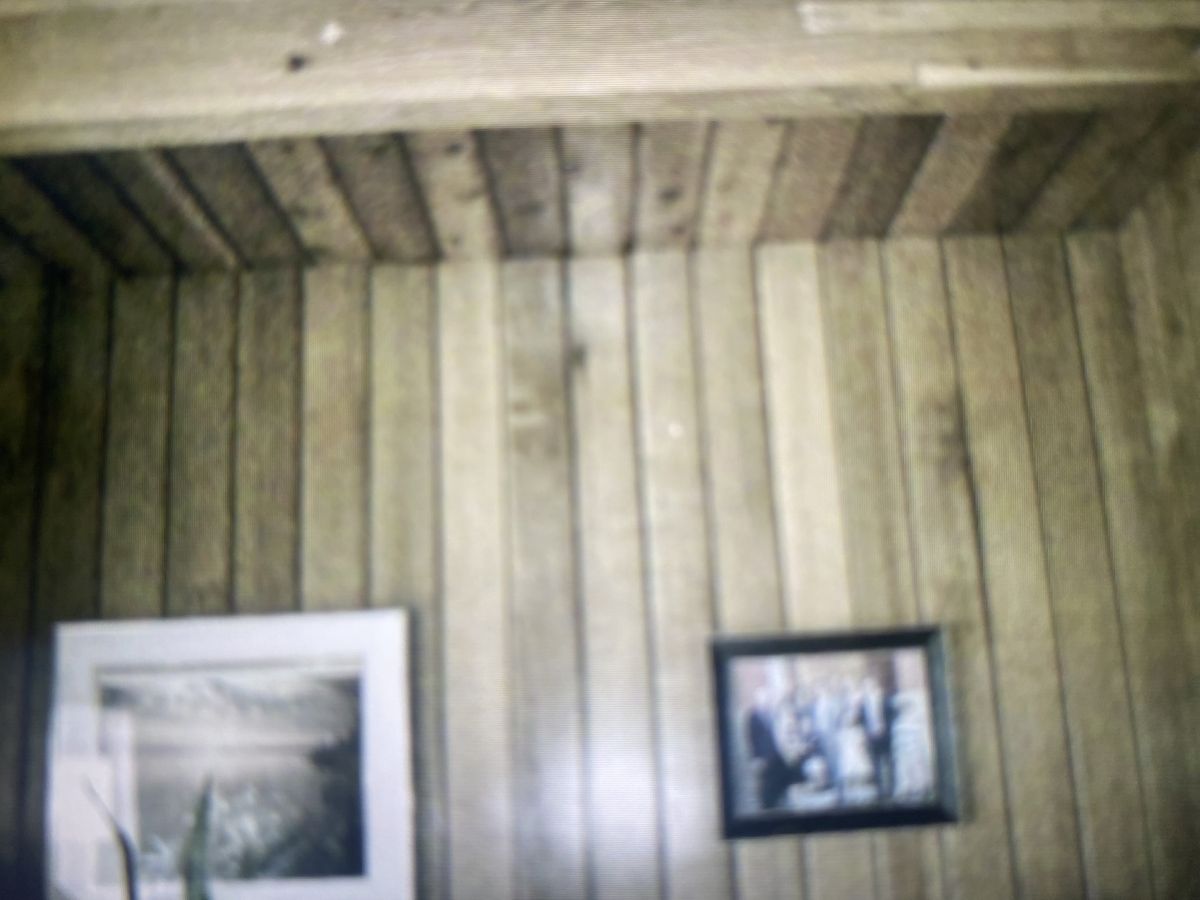
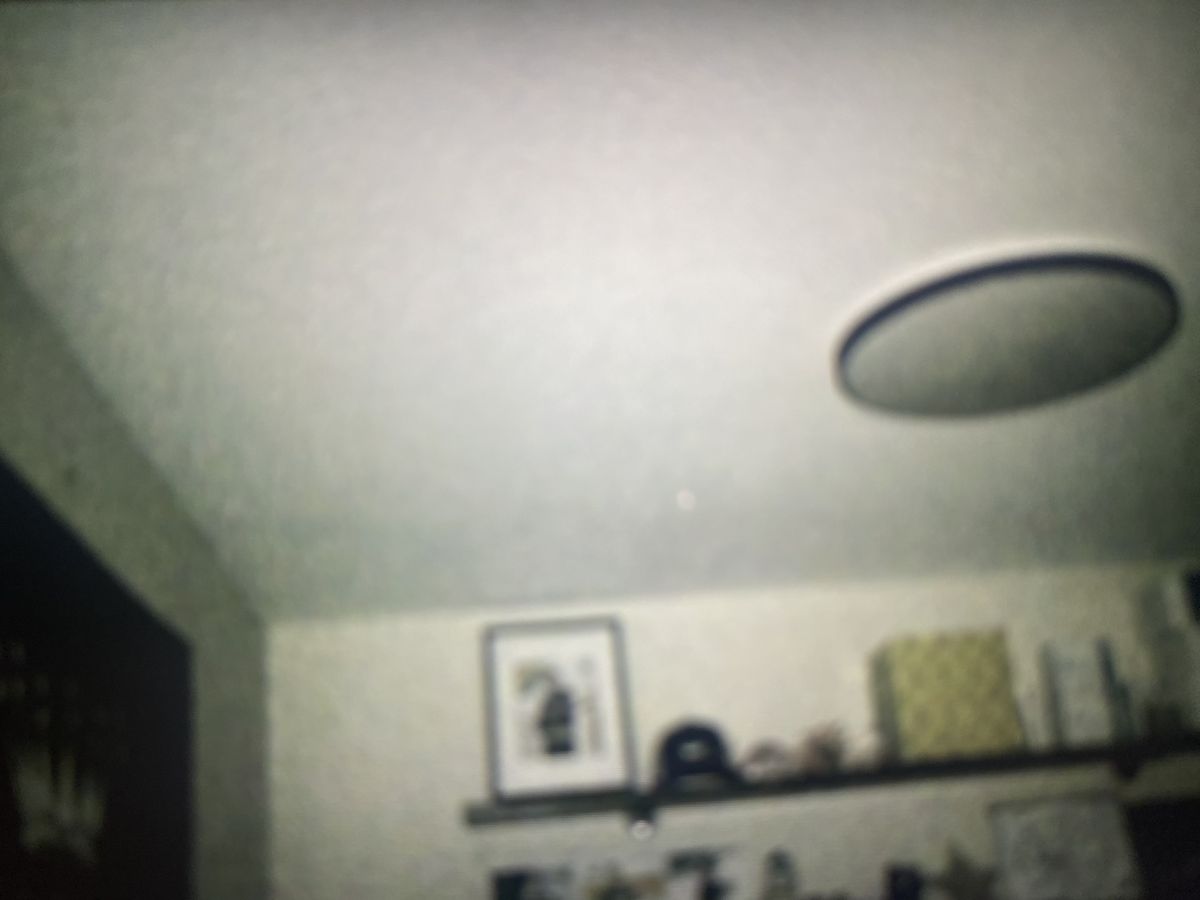
See the Difference: Normal vs. Thermal
Swipe between the normal photo and FLIR thermal image to see what's invisible to the naked eye.
Average Savings from Thermal-Guided Repairs
Homeowners who use thermal imaging to target repairs save significantly vs. guesswork.
5 Things We Find with Thermal Imaging
Over 22 years and thousands of thermal scans, these are the five most common issues we discover:
1. Missing or Settled Insulation
Insulation settles over time, creating gaps that hemorrhage heat. Thermal imaging shows exactly where these gaps are — no guessing, no tearing open walls.
2. Hidden Moisture Intrusion
Water inside walls or ceilings shows up as a distinct thermal pattern long before it causes visible stains. Early detection can save $5,000-$15,000 in remediation costs.
3. Air Leaks Around Windows & Doors
Even "good" windows can have failed seals or poor installation. Thermal imaging reveals drafts that account for 25-30% of heating loss in most homes.
4. Electrical Hot Spots
Overloaded circuits and failing connections generate excess heat. We've caught potential fire hazards during routine roof inspections.
5. HVAC Duct Leaks
Ductwork running through attics and crawlspaces often develops leaks. You're paying to heat your attic instead of your living space.
Real Case Study: Spruce Grove Home
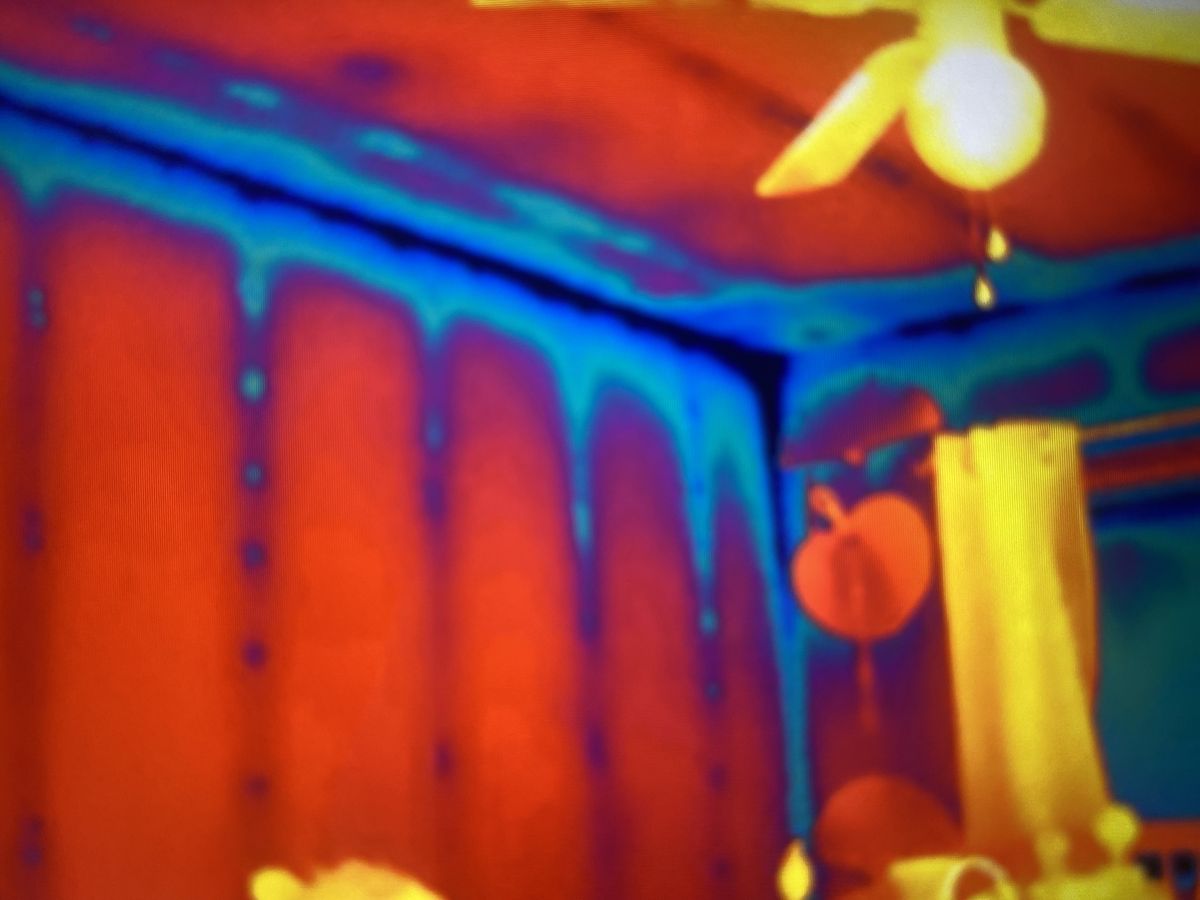
Last winter, a Spruce Grove homeowner called us about rising heating bills. Their furnace was running constantly, but the upstairs bedrooms were always cold.
What they expected: A roof problem.
What thermal imaging revealed: The knee walls in their 1.5-storey home had almost no insulation — the heat was escaping directly into the attic space behind the walls. The roof was actually fine.
The fix: Insulation retrofit in the knee wall cavities — a $2,500 repair instead of a $15,000 roof replacement.
The result: 25% reduction in monthly heating costs and comfortable bedrooms for the first time in years.
This is why we inspect with thermal imaging. The problem is rarely where you think it is.
When Should You Get a Thermal Inspection?
Thermal imaging is most effective during Alberta's heating season (October-March) when the temperature difference between inside and outside is greatest. The bigger the temperature gap, the more clearly problems show up.
Best times to scan:
- During cold snaps (-15°C or colder)
- After a rain or snowfall (moisture shows up clearly)
- Early morning before the sun warms exterior surfaces
Every Kayan Contracting inspection includes thermal imaging at no extra cost. It's not an upsell — it's how we do business. Because guessing costs money, and seeing saves it.
Want to See What's Hiding in Your Home?
Book a free inspection with FLIR thermal imaging. We'll show you exactly where your home is losing energy and money — with photos you can keep.